
Gaia BioDiversity
Conservation Program
The preservation of Life means the protection of
Water, Soil, Fauna & Flora in general around the World.
Biodiversity, water, soil and healthy ecosystems have an incalculable value for present and future generations because of their capacity to sustain life, regulate climate, generate food, maintain water cycles, store carbon, preserve knowledge and culture, and support the wellbeing of communities.
These values cannot be reduced to a single market price. They represent an Existence Value: the value of Nature simply because it exists and because its continued existence makes life possible.
At the same time, the people and communities who protect, regenerate and care for these ecosystems need viable economic systems that recognize their contribution.
Gaia Conservation Program seeks to bridge these two realities: the intrinsic value of Life and the economic value required to sustain its protection.
Gaia proposes an ecosystem of financial, technological and community tools designed to recognize, mobilize and distribute value toward the conservation, restoration and regeneration of Nature.
Rather than treating Nature only as a resource to be extracted, Gaia seeks to activate an economy based on the services that healthy ecosystems provide to Life.
These include, among others:
- Water regulation and provision
- Soil regeneration and fertility
- Biodiversity conservation
- Carbon sequestration and climate regulation
- Pollination and ecological balance
- Forest and landscape restoration
- Protection of watersheds and páramos
- Cultural and ancestral knowledge
- Ecological education and research
- Regenerative agriculture and production
- Conservation, monitoring and stewardship
The objective is to create mechanisms through which those who generate, protect and restore these services can be recognized, compensated and economically supported.
AN ECONOMY BASED ON ENVIRONMENTAL SERVICES
The Gaia Conservation Program can connect projects that generate environmental services with organizations, individuals, businesses, governments, communities and investors willing to support them.
A conservation project may generate multiple forms of value simultaneously:
A watershed → water regulation, biodiversity, climate regulation and community wellbeing.
A forest → carbon sequestration, biodiversity, rainfall regulation, soil protection and cultural value.
A regenerative farm → food, soil restoration, biodiversity, livelihoods and ecological education.
A páramo → water generation and regulation, carbon storage, biodiversity and climate resilience.
The Gaia economy seeks to make these contributions visible, measurable where appropriate, verifiable and economically supportable, while respecting the intrinsic value of Nature beyond monetary measurement.
FROM ENVIRONMENTAL VALUE TO REGENERATIVE ECONOMIES
GAIA AS A LIVING REGENERATIVE ECOSYSTEM
Gaia is not simply a conservation program, a marketplace or a financial system.
It is a living ecosystem of people, organizations, territories, projects, knowledge, technologies and economic mechanisms working toward regeneration.
Its digital and physical infrastructure can connect:
- Conservation territories
- BioHabitats and BioHubs
- Regenerative producers
- Communities and Indigenous organizations
- Researchers and educational institutions
- Artists and cultural initiatives
- Environmental service providers
- Investors and funders
- Consumers and markets
- Governments and institutions
Through this network, value can circulate between the people who protect Nature, regenerate Nature and depend upon Nature.
FROM EXTRACTION TO STEWARDSHIP
Gaia seeks to create a transition in which economic activity increasingly rewards the preservation and regeneration of the systems upon which the economy itself depends.
Instead of asking only:
“How much can we extract from this territory?”
we begin asking:
“What does this territory provide to Life, who is caring for it, and how can society support that care?”
This shift creates the foundations for a Regenerative Economy of Services, where ecological stewardship becomes an economically recognized and socially valued activity.
GAIA Conservation Tokens are inspired by the concept of GAIA as a unified and interdependent integral EcoSystem,
The program also includes the AWA and GAIAWTS Tokens.
(AWA: WaTerS (Earth Blood Cells) & Watts (Energy / Tokens), which give sustenance to Life, therefore GAIA Conservation Coin is not just a program… is a Community, a Movement and a ReGenerative ALIVE EcoSystem!
PRESERVING LIFE AND GENERATING WEALTH
These no longer need to be contradictory ideas.
A healthy ecosystem produces enormous value for society, but much of that value remains economically invisible.
Gaia seeks to change this by creating mechanisms that recognize the work performed by Nature and by the people who protect and regenerate it.
The objective is not to put a price on Life itself, but to create economic systems capable of directing resources toward the conditions that allow Life to flourish.
This means moving from an economy primarily based on extraction toward an economy increasingly based on care, regeneration, stewardship and ecological services.
Why be part of Gaia ? For the good of the ALL.
Because the transition toward a regenerative civilization requires new relationships between Nature, people, technology and economics.
Participating in Gaia means becoming part of a growing network that seeks to make regeneration economically viable, socially meaningful and increasingly scalable.
It means supporting the people and territories that care for Life.
It means creating new forms of collaboration between conservation, production, education, culture, governance and finance.
And ultimately, it means helping build an economy in which the prosperity of human communities and the health of the living systems that sustain them become increasingly aligned.
Gaia is not only about protecting what remains.
It is about creating the conditions for Life to regenerate, flourish and thrive.
Being part of GAIA in this foundational stage makes us pioneers of the present-future of humanity, which will be focused on environmental issues of regeneration and conservation, distributed technological systems, and the growth of micro and bio (circular) economies. Your integration, from any of these interests gives you tangible and representative participation for the generation of sustainable wealth, and gives you the certainty of doing the right thing: preserving and supporting the common good and the care of Life.
A REGENERATIVE ECONOMY OF LIFE
Gaia’s economic architecture combines real-world projects, communities, services, currencies, tokens and digital infrastructure into an interconnected regenerative economy.
Within this ecosystem, different instruments can perform different functions.
GAIA Coin represents the broader economic coordination layer of the Gaia Ecosystem: a medium through which value generated across regenerative activities, communities, services and networks can circulate.
It is intended to help connect the different economies of Gaia rather than representing a direct claim over Nature itself.
HREGEN — Human & Ecological Regeneration — is oriented toward recognizing and mobilizing value specifically connected to regenerative action.
It can support the measurement, recognition and compensation of contributions such as restoration, conservation, ecological stewardship, community work, education and other regenerative services.
Together, GAIA Coin and HREGEN can help create an economic bridge between those who need regenerative services and those who provide them.
TERRA is connected to the territorial dimension of the Gaia economy: land, bioregions, territories, communities and the ecological systems they steward.
TERRA can therefore function as a complementary layer for territorial economies and initiatives connected to land and ecological regeneration.
KAKAO represents the productive and exchange dimension of regenerative economies, particularly through real goods, agricultural systems, value chains and community-based production.
It can help connect regenerative territories with markets, producers, consumers and economic activity.
Together, these instruments can form complementary layers rather than competing currencies:
TERRA → Territory & Land
HREGEN → Regenerative Contributions & Services
KAKAO → Production & Exchange
GAIA Coin → Ecosystem-wide Economic Coordination
These are the 5 ways to join GAIA EcoSystem:
Interdependance
Everything is connected.
Water cycles connect forests, páramos, rivers, oceans and communities. Soil connects agriculture, food and biodiversity. Biodiversity connects ecosystems, climate and human wellbeing. Communities connect knowledge, culture and stewardship.
The Gaia Ecosystem therefore seeks to strengthen the relationships between these systems rather than treating them as isolated sectors.
The purpose is not to own Nature.
The purpose is to create the economic and social conditions for Life to continue flourishing.
A DISTRIBUTED ECONOMY FOR A LIVING PLANET
Gaia’s technological and organizational infrastructure can provide tools for transparent accounting, distributed governance, digital identity, environmental monitoring, smart contracts, tokenized representations of verified contributions and decentralized coordination.
The objective is to ensure that economic value can move more directly toward the territories, communities and initiatives generating positive ecological and social impact.
In this model, technology becomes infrastructure for regeneration rather than extraction.
Blockchain and token systems are tools within this architecture—not the purpose of the ecosystem itself.
These are the 5 ways to join GAIA EcoSystem:

1. GENERAL PARTICIPANT
Just for your condition of existing you receive your first GAIA tokens when you join the community.
2. BENEFICIARY PROJECT
Receive funding and support on all different ways and capitals.

3. COLLABORATOR
You join the current projects or collaborate in the organization agencies with your knowledge and work, You receive differential tokens and NFTs.
4- GAIA GUARDIANS
You enter in order to acquire GAIAs NFTs at an early stage of its valorization.
5- DONOR / CONTRIBUTOR
Donating to the growth of the GAIA Commons initiative.
* If you meet the requirements you can join in all forms or in more than one.
Gaia Bio Guardians
Gaia Bio Guardians – Guardians of BioHubitats – Peace & Conservation Sanctuaries of Planet Earth (Gaia)
Our purpose is to create the largest and highest quality network of “Guardians of Gaia” and its BioHubitats – “Peace & Conservation Sanctuaries” where new technologies such as Blockchain and NFT will allow to lay the foundations of a decentralized model of environmental protection, solidarity, visionary and democratic.
Our greatest strength and joy will be the millions of Guardians of Gaia who will be able to monitor and protect the BioHubitats – Peace & Conservation Sanctuaries. Blockchain and NFT technology will in the future allow all members of the Gaia community to participate in decisions and deliberations involving the BioHubitats.
The GAIA BIO GUARDIANS (GBG) program will be composed by the owners and stewards of lands and properties that are within the delimitation of conservation areas. Likewise, nearby communities that see in GAIA NFTs, a potential to generate wealth by conserving the ecosystems around the conservation zones will also be included. To be part, it is necessary to establish a GREEN SMART CONTRACT (contract of preservation and support of the existence value), where it is committed in this way to the following:
Caring for soils and seeds.
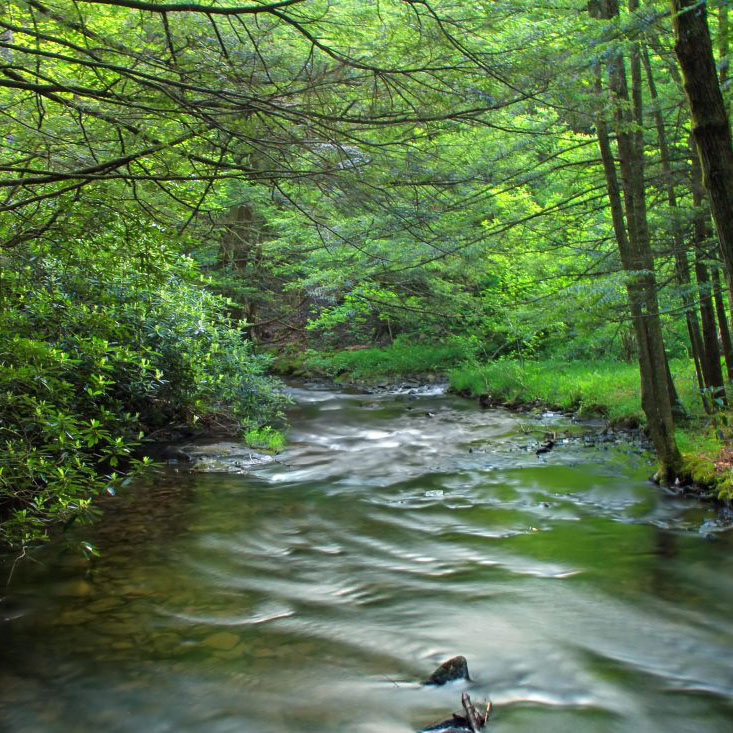
Not to carry out any mining work within the compromised properties.
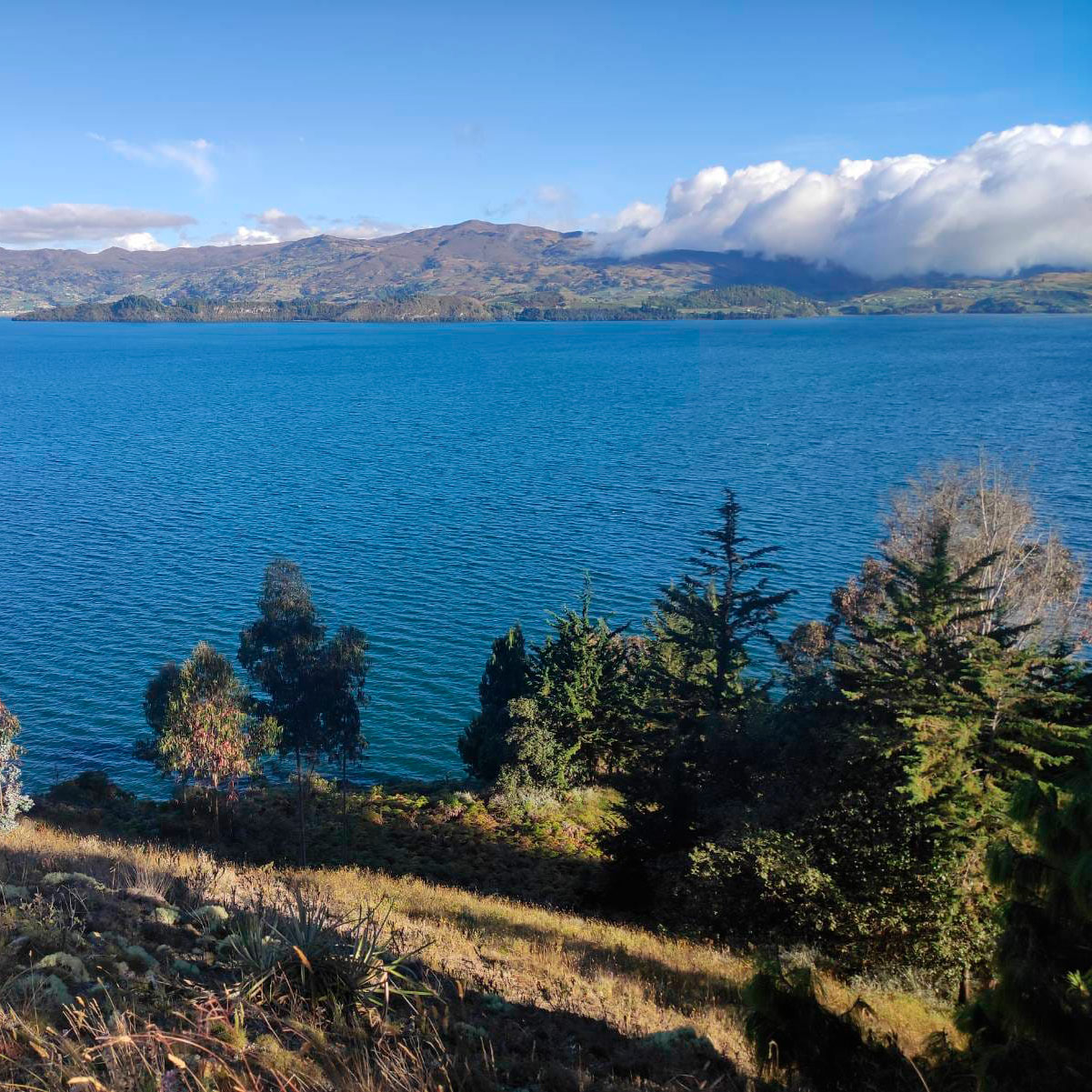
Preservation of water sources and water tributaries in general.
To allow the flow of water and to guarantee the sustainability and to promote the increase of the water flow.
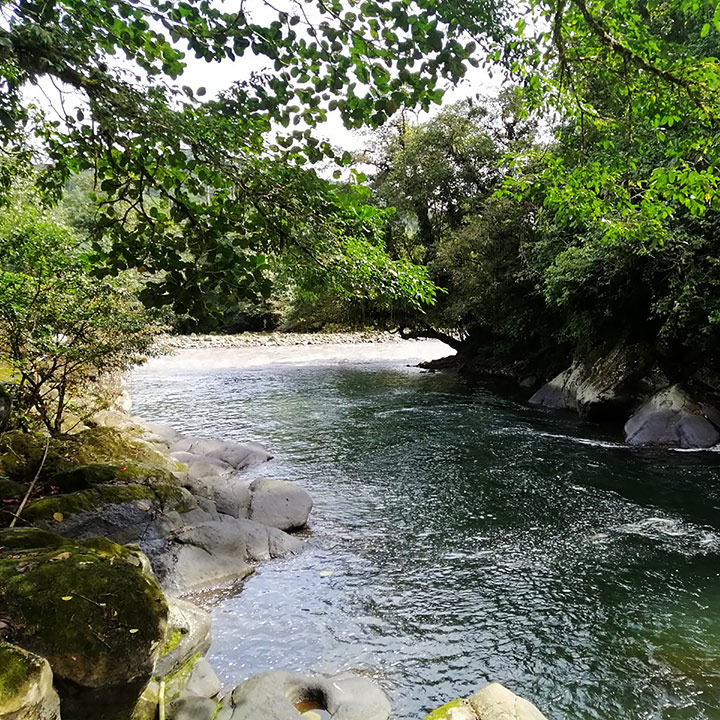
Do not pollute or perform work that may contribute pollutants or compromise water quality.
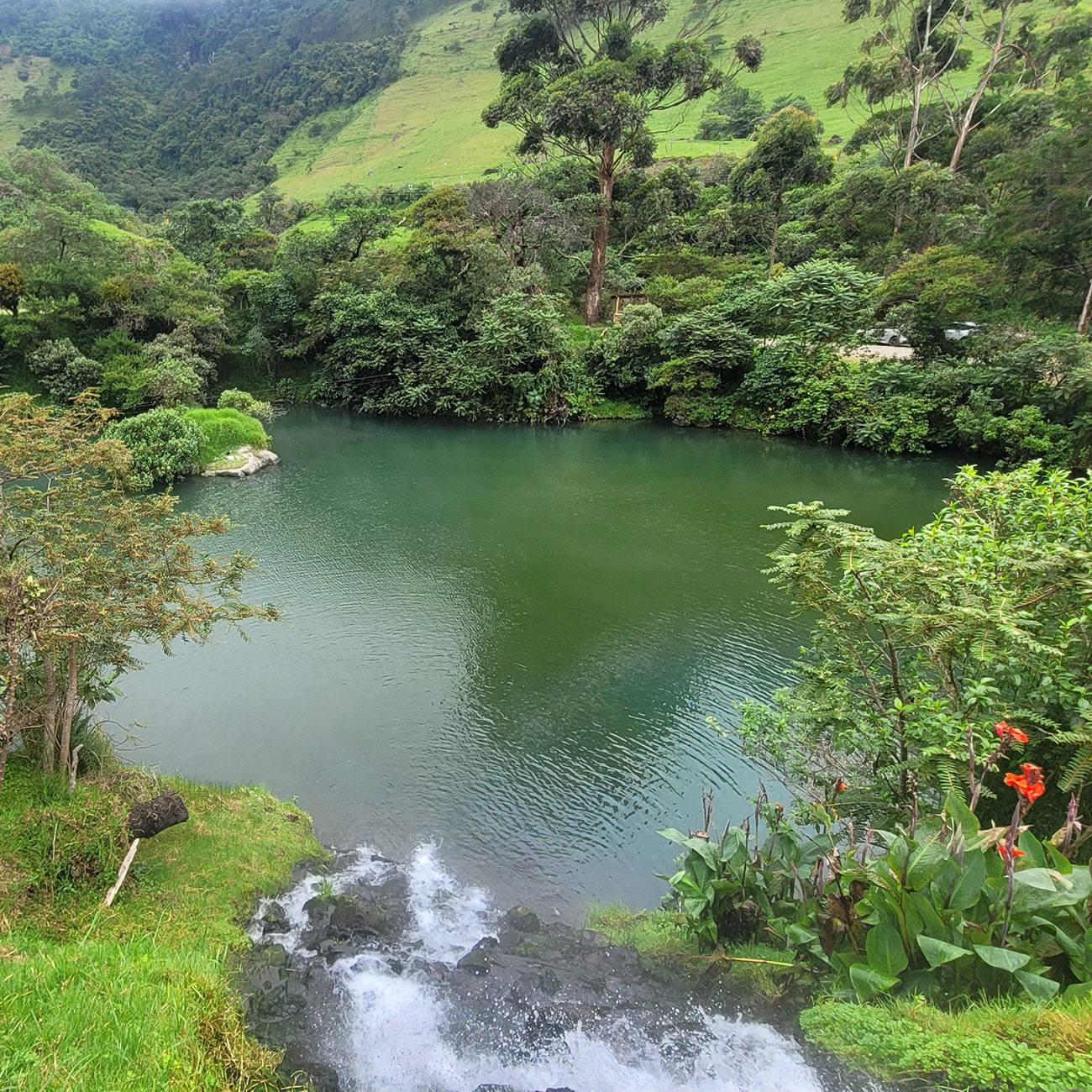
Gaia Guardians HUBioLabs
Gaia Guardians HUBioLabs; We will have special hubs for this program, that will serve to articulate the territorial governance, logistical distribution points; waste management; biofactories; living/hosting space, health space; learning space; regenerative entrepreneurship coworking and events, these will be the main (fixed) training points for the Guardians of Gaia`s BioDiversity, and will also serve as a space to store and share all sort of goods like food, medicine, equipments, computers, machines, tools and any other supplies. All data will be imputed on a proprietary blockchain, enabling the tokenisation of bioeconomy and real assets, experiences, governance and utility tokens, as well as bringing transparency and reliability to the entire operation.
Gaia HUBioLabs
By feeding the blockchain data with this information through GREEN SMART CONTRACT and stored by blocks, it is intended to generate a payment for environmental services for the Guardians of Nature, accessing the various participation mechanisms thus demonstrating that preserving life and generating wealth are no longer two contradictory ideas.
In this way it is possible to represent and consolidate the existence value of Nature in the Network (cloud/blockchain) and visualized in a map that has the information of the lands that autonomously support this value together with an extensive knowledge of the area that will be available to the public in an accessible way, where the wisdom will continue to be reconstructed and all the information and history of the same will be stored.
Gaia Bio Guardians is a biodiversity monitoring programme in different biomes, through which we will train the territory’s inhabitants in species mapping techniques; certification of carbon credits, biodiversity credits and green CPR; journalistic training for real-time reporting and S.O.S. requests, connected to global communication networks and metaverses; audiovisual training to show the beauty of the biomes and the day-to-day running of the project; forest management, reforestation, ecosystem recovery and planting of Agroforestry Systems.
Gaia HUBioLabs – mobile and itinerant data bank upload bases, called BioLabs, equipped with scalable low-cost tools, including hardware, software, drones, robots with BioBots autonomous vehicles with SPazChip sensors, cameras and AudioMoths sound systems to record data accurately and map via Bluetooth 5.0 mesh networks.With the support of Rainforest Connection’s AudioMoth team and RFCx’s Arbimon technology, we measure the surrounding ecosystems with audio collection, allowing us to run pattern-matching analyses to quickly label thousands of sounds of the target species, taking advantage of hundreds of models in their global model library to find various species.
HUBioLABS‘ open source data helps empower communities in the territory to promote insights into the biodiversity of each region, developing centres for education, research and the execution of “Think n” Do Tank’ projects.Linked to the Artificial Intelligence software Verses.io and CHATgpt, we will analyse data sets that support efforts to design viable solutions for biodiversity protection models.The Guardians’ data tracking linked to HUBioLABS will help the territory’s actors to enter into carbon credit and biodiversity market financing models, as well as Environmental Reserve Quota, Legal Reserve and Green CPR, to be paid for ecosystem services to protect the territory so that everyone thrives mutually.
LATAM as a pilot Region – Mapping and Cartography Project for the Andean Mountains and the Amazon Rainforest
This team’s objectives revolve around analysing and cataloguing the vast biodiversity found in the virgin rainforest, using ESRI ArcGIS and Rainforest Connections’ AudioMoth and RFCx Arbimon software, with the aim of better understanding and supporting our rainforest conservation needs. This software assists our team in mapping hundreds of hectares of land and allows us to quantify the composition of these diverse environments. Our team would approach this by conducting field tests on land to receive biodiversity and wildlife data, reinforcing the development of solutions that will remove excess carbon from the environment.
It is important to note that our team emphasises community involvement, as such we intend to collaborate with local indigenous community leaders to collect data and create solutions that respect and meet the needs of all stakeholders involved. Essentially, our qualitative goals with this project involve land preservation, carbon removal and working with the local indigenous population. Our quantitative goals with this project aim to target several drones and robots in order to catalogue a minimum of 500 species of diversity and foster numerous partnerships.
The presence of technicians and observers can inhibit the vocal activity of certain animals. However, simply starting the recordings after the drone has flown can allow vocal activity to return to normal. Birds or humans can see the drone as a threat and attack it. To combat this, we will colour the drone to scare off any territorial birds and inform the public, to avoid confusion. We may also not have full data connectivity during data retrieval and processing.
Consequently, to ensure a secure connection, spChips will be used, from which data can be retrieved securely from a mesh network. Other challenges may include tracking soil and carbon samples, as well as translation to include communities, but we will have supporters. We will be working closely with data collectors and scientists to ensure proper analysis and retrieval, and we will be supported by Rainforest Connection in developing a connectionless programme.
The success of our project will have a positive environmental and social impact on the Amazon Rainforest and its biodiversity, as well as the local indigenous populations, offering to also build an educational platform and a biodiversity library for open source use, if they determine that it is of value to their culture. We will be using an ANCON medicinal plant library research kit for our tests. Given that the success of our project involves collecting and cataloguing data, the accumulated data will allow us to better understand the composition of the rainforest. We can also use this data to better understand the relationships between different species within the ecosystem (e.g. plant-animal interaction: pollination, seed dispersal).
And based on a mapping of fauna, flora and seed species, we can build a biodiversity bank and with it a credit for those who help preserve and a debit for those who impact and need to reward this impact by strengthening the preservation of life. In addition, our collaborative approach to working alongside the local indigenous population will promote positive social benefits by creating meaningful and mutually beneficial relationships with local landowners, without invading and damaging their land by force.
Our territorial and systemic approach emphasises the following three criteria:
Diversity: encouraging all voices to unite for rainforest protection
Community involvement: education, leadership training, forest protection technology.
Accessibility: low-cost, scalable solutions for all communities.
The diversity of our team ensures effective problem-solving, as we involve experts and young people from all over the world representing various backgrounds. In addition, we will maintain a community engagement lens, ensuring collaboration with as many relevant stakeholders as possible. Specifically, the Bridge People (Chaskys) will be our liaisons with the local indigenous peoples of the world.
To build an inclusive future for rainforest conservation, we aim to build relationships with indigenous communities so that we can learn about their specific needs and provide support as requested. Finally, we will solve problems collaboratively, sharing our data and findings with other individuals who are passionate about the rainforest, the flatlands and the high mountains.
Program Overview: Gaia Bio Guardians Program (GBG)
The Gaia Bio Guardians Program (GBG) is designed to incentivize individuals and communities to actively participate in the preservation, mapping, and restoration of biodiverse areas. Drawing inspiration from successful models like Brazil’s PSA. GBG integrates financial rewards, educational opportunities, and community engagement to promote a sustainable and thriving ecosystem.
How do I become a “Guardian of Gaia”?
Just keep an eye on our community and purchase your GAIA Tokens or NFTs at the launch of the “Guardians of Gaia” collection with which we position you in the COMMUNITY as a Digital Guardian of the Peace & Conservation Sanctuaries of Planet Earth.
Benefits of being a “Guardian of Gaia”.
– Receive a unique and exclusive NFT that will give you the mandate to become a “Guardian of Gaia”.
– Preferential access to the Gaia Conservation Santuaries, HUBioLabs & BioHabitats / Living Lands.
– Real-time access to all surveillance cameras installed in the protected area.
– Real-time access to the alarm and alert system installed in the protected area.
– You will be able to report the environmental event to the community platform, which in turn will connect with the governmental alert systems.
– Access to the “eco-dormitories” that will be built in the selected Lands (These reserves will be managed through a schedule defined by the entire community of Guardians of Gaia, administrative fees are not included).
– Visit physically or virtually the Lands, you will be able to do dierse activities like bird watching, hiking, yoga, meditation.
– Preferential access and discounted registration for Eco-Spiritual & BioCultural camps or retreats. and activities such as Water Planting: Planting water to increase the water flow, and Planting many types of trees in the Lands.
– A unique amulet made with the essence of the land you protect that will identify you as a “Guardian of Gaia”.
The economic resources will be destined to objective tasks for the creation and strengthening of the community of Guardians of Gaia and the protection of The Sanctuaries of Peace & Conservation. Some of these will be destined for:
– Acquisition and purchase of materials to make enclosures of The Sanctuaries of Peace & Conservation, in order to inform third parties that the property or Sanctuaries of Peace & Conservation enjoys global protection of Bio-Guardian of Gaia.
– Acquisition and installation of the closed surveillance system using high-tech cameras, alarms and alerts connected to the monitoring and surveillance platform of Gaia’s Guardians.
– Acquisition and installation of energy (preferably renewable) for equipment operation.
– Acquisition, purchase and maintenance of satellite internet systems for the operation of surveillance and monitoring equipment.
– Acquisition of private security services in the protected area of the Peace & Conservation Sanctuary.
– Adequacy of trails and equipment necessary for the enjoyment of the Guardians of Gaia during their visits and stays in the Sanctuary of Peace & Conservation.
– Construction and installation of decks, auditoriums, cabins for the observation, enjoyment and stay of the Guardians of Gaia during their visits and stays in the Peace & Conservation Sanctuary.
– Construction of native tree nurseries and seedbeds – essential to carry out the activities of Planting Trees.
BioRegional Regenerative Development Plan
New impact generation opportunities
A bioregion is a geographical area defined by its shared ecological systems rather than political boundaries. By focusing on economic, cultural, ecological & social development within a bioregional context, we can effectively advance whole system health and regeneration.
OUR BIG PURPOSE
Design a fund of bioregional funds that empowers the creation and implementation of a global and multi-bioregional model and strategy for Colombia, LATAM and worldwide. Utilizing a proven regenerative methodology, this approach aims to elevate Life conditions across the economy, ecology, society, and culture & heritage, while delivering returns to investors.
GOALS
1. Identify the regenerative potential of the global and the local actors in the bioregions through the participatory methodology of Story of place.
2. Foster and facilitate a process of regenerative governance to build up with communities funds management abilities and decision making process for a bioregional engagement.
3. Create a BioLaboratory School for Regenerative Design & Development to spread the model to other bioregions in Colombia and LATAM.
4. Establishment and capitalisation of fund of funds for bioregional regeneration.
MILESTONES
– High level of “Story of Place” process, regenerative potential identification of financial potential.
– Foster critical mass of stakeholder engagement.
– Early stage asset identification within the 7 bioregions.
– Creation of artistic and communication pieces for showcasing.
– Detailed “Story of Place” process to co-create & valuate portfolio design for fund of funds with local stakeholders
– Strengthen the process of regenerative governance and development in local communities.
– Participatory financial design
– Designing of regenerative governance mechanisms for the fund of funds
Establishment
– Fund management, governance, systemic impact strategy & measurement.
– Monitoring the regenerative governance for collaborative financial dynamics in local projects.
– Financial modeling for bioregional regeneration.
– Governance School to scale the model to other bioregions globally.
– Onboarding of General partners – Sourcing and onboarding of LP’s
– Capital allocation to initiate asset design, development & implementation.
– Measurement of financial & impact and returns.
Key Impacts of the the gLocal/BioRegional Funds
1. Innovative Financial Model for Regeneration
This project introduces an innovative approach to financing regenerative initiatives at a bioregional level by creating a fund of funds. This financial model aims to pool and manage capital from multiple investors to strategically allocate it to specific regenerative projects across several bioregions in Colombia. The goal is to capitalize the fund with at least $50 million, providing a more robust and sustainable funding structure.
2. Strengthening Regenerative Governance
The project focuses on developing the abilities of local communities to manage funds and make decisions related to bioregional governance. This is crucial to ensure that communities not only receive funding but are also empowered to manage it effectively, fostering autonomy and long-term sustainability.
BioRegen Learning Centers
A significant component of the project is the establishment of bio regenerative governance centers. This aims to train community leaders and other key stakeholders in regenerative governance methods, with the intent of replicating and scaling the model to other bioregions in the world.
3. Enhancing Community Participation and Co-Creation
Unlike traditional funding models, this project emphasizes a participatory process in designing financial instruments. Local communities are involved in all stages, from asset identification to evaluation and portfolio design, ensuring that investments are culturally relevant and locally appropriate.
This participatory methodological approach is used to identify the regenerative potential of the involved bioregions. Through this process, the project seeks to deeply understand the history and context of each bioregion, helping develop investment strategies that respect and align with local dynamics.
4. Impact Measurement and Sustainable Returns
The project includes a framework to measure both financial and regenerative impacts, ensuring that benefits are not only economic but also ecological and social. This represents a significant shift towards a more holistic and multidimensional approach to success in conservation projects.
Adaptive financial models are employed to support bioregional regeneration, allowing greater flexibility and adaptability in capital allocation based on the changing needs of the bioregions.
5. Global Visibility and Expansion
Promoting Global Visibility and Support at International Events: One of the key goals of the project is to increase the visibility of bioregional initiatives on global platforms such as COP16. This helps attract more investment and support while positioning Colombia as a leader in regenerative governance and bioregionalization on the international stage.
1- Preliminary Design: Undertake high level design across 7 bioregions in Colombia, shaping asset creation and portfolio design
2- Participatory Design of Financial Instruments: Strengthen the process of regenerative governance in bioregions and participatory design of financial instruments, detailed asset sourcing and evaluation and comprehensive portfolio design. We are looking for 2.5M philanthropic + patient investment funds + participation in the Fund.
3- Capitalisation of Fund of Funds: Establishment and capitalisation of a fund of funds for bioregional regeneration. We hope to fundraise for at least 50M.
Subscribe right now!